

How Should You Prepare a Luxury Home Before Selling?
David Newman · August 27, 2026
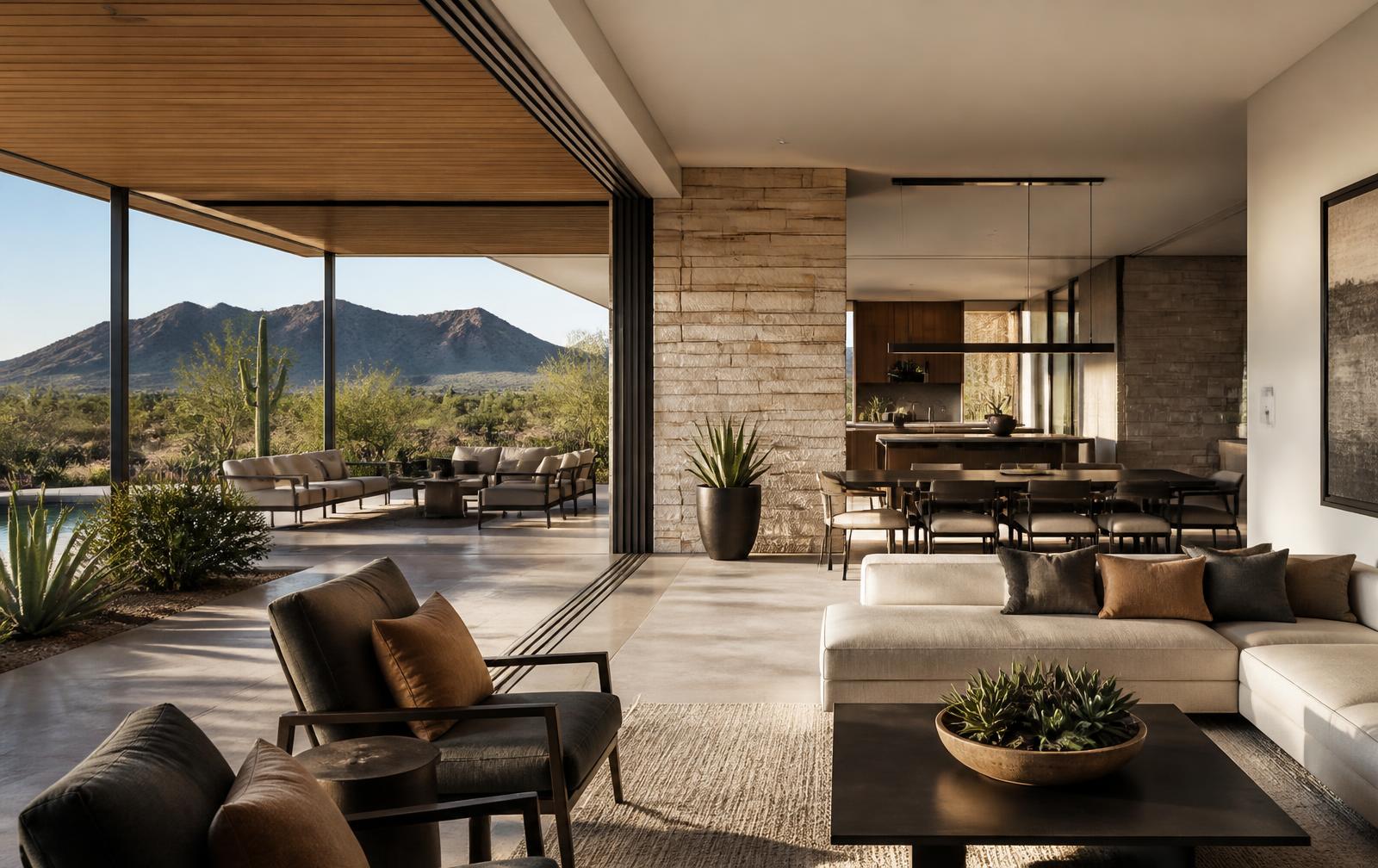
The short answer
Preparing a luxury home for sale starts with identifying what will materially affect buyer perception, marketability and value. Some homes benefit from repairs, paint, landscaping or staging, while others need very little. The right strategy is to spend only where the likely return justifies the cost.
Key takeaways
- Preparation should begin with the property itself, not a standard checklist.
- Visible maintenance issues matter more to buyers than cosmetic taste.
- Large renovations are rarely necessary and are not automatically recovered.
- Modest cosmetic work often has the strongest effect on presentation.
- Preparation should be finished before photography and launch.
Start With the Property, Not a Generic Checklist.
Useful preparation advice cannot be written before the home has been seen. Two properties of similar size and price can require entirely different work. One may need nothing beyond cleaning and landscape refinement; another may carry deferred maintenance that will dominate every buyer conversation until it is resolved.
A preparation review should look honestly at the areas buyers actually respond to:
- Overall condition and any deferred maintenance
- Paint, flooring and interior lighting
- Landscaping, curb appeal and entry presentation
- Pool, patios and outdoor living areas
- Roof, mechanical systems, windows and doors
- Kitchens and bathrooms
- Furniture, staging and photography readiness
The purpose of that walkthrough is to sort the work into three categories: what is necessary, what is helpful, and what is unnecessary. Most pre-listing overspending happens because the third category is never identified.
Address Problems That Can Distract or Alarm Buyers.
Buyers at this level generally accept that a home reflects the taste of its owner. What they react to far more strongly are signs that a property has not been cared for. Condition questions travel: into the showing, into the offer, and into the inspection negotiation.
- Visible water staining or evidence of past leaks
- Obvious roof concerns
- HVAC systems that are not performing
- Broken fixtures, hardware and non-working lighting
- Worn or damaged flooring and peeling paint
- Neglected landscaping or an unmaintained pool
- Any deferred item likely to dominate the inspection conversation
The goal is not perfection. The goal is confidence.
A buyer who sees a well-maintained property negotiates differently from one who suspects there is more beneath the surface. Where condition is genuinely uncertain, particularly on older homes or homes with complex systems, a seller pre-inspection can be a sensible way to learn what matters before a buyer's inspector does.
Not Every Improvement Will Pay You Back.
The most common mistake is spending heavily on work the market never asked for. Larger projects deserve genuine scrutiny before a seller commits capital to them:
- Full kitchen or bathroom remodels
- Major flooring replacement
- Custom built-ins and millwork
- Expensive landscape redesign
- Highly personalized finish upgrades
A buyer purchasing at this price point frequently intends to make those decisions personally. A newly finished kitchen in someone else's taste may not be valued at what it cost, and in some cases it simply replaces one set of preferences with another.
The seller should improve marketability, not redesign the home for the next owner.
That does not mean renovation is never justified. It means the decision belongs to the specific property, its condition, its competition and the expectations of the buyers most likely to pursue it, rather than to a general rule.
Small Changes Can Change How the Home Feels.
Modest work often does more for presentation than construction does. Fresh neutral paint where the existing finish is dated or worn, updated lighting, and the replacement of visibly aged fixtures can change how current a home reads without altering its architecture.
Cleanliness matters here for a specific reason rather than a general one. Glass, stone, countertops and pool water photograph badly when they are not immaculate, and desert light is unforgiving. Landscape cleanup restores the definition of the site. Simplifying furniture restores the sense of scale that made the rooms attractive in the first place.
Removing excess personal items is not neutrality for its own sake. It allows a buyer to read the space, the light and the volume, the qualities that justify the price, without competition.
The Home Should Be the Focus.
Staging in luxury property has one job: helping a buyer understand the residence. Scale, flow, the intended purpose of each room, the connection between interior and exterior, the orientation toward views, and the architectural detail that distinguishes the home should all read clearly.
- Editing existing furnishings, often sufficient in a well-furnished home
- Partial staging, used where certain rooms do not read well
- Full staging, considered for vacant or heavily personalized properties
- Leaving the property vacant, appropriate for some architectural homes
Staging is not a guarantee of a higher price, and an over-styled interior can obscure the architecture it was meant to support. The correct approach depends on the home and should be decided after seeing the rooms rather than in advance.
The First Impression Happens Before the Showing.
Most luxury buyers experience a property first through photography, video, digital advertising, agent outreach, social media and private marketing. By the time someone walks through the door, an opinion already exists.
That is why sequence matters. Landscaping, pool presentation, exterior surfaces, interior lighting, window coverings, countertops, outdoor living areas and, where they are part of the story, garage or ancillary spaces should all be resolved before the main photography is scheduled.
Do the preparation before the marketing, not after buyers have already seen the property.
Re-photographing a home after improvements are complete is possible, but the launch is the moment of highest attention. That attention is difficult to recover later.
Every Dollar Should Have a Purpose.
Our preparation work follows the property rather than a template. Before anything is spent or photographed, we walk the home and build a plan around what buyers are likely to notice and question.
- Walk the property in detail before launch
- Identify the objections buyers are most likely to raise
- Determine whether a pre-inspection is appropriate for this home
- Prioritize repairs by buyer reaction and likely return
- Recommend cosmetic improvements only where they are justified
- Evaluate whether editing, partial staging or full staging fits the property
- Coordinate presentation and photography after preparation is complete
- Position the property around its strongest features
- Decline improvements unlikely to improve the seller's net result
That judgment comes from 25 Years of Experience preparing Arizona luxury homes for sale, and it is the same discipline behind our seller representation and valuation work.
David's perspective
I do not want a seller spending money just because someone says every home needs to be remodeled before it goes on the market.
I want to identify what buyers are likely to notice, what could become a negotiating issue, and where an improvement can actually strengthen the sale. The goal is to spend intelligently and protect the seller's equity.
Related questions on this subject
What should I fix before selling a luxury home?
Prioritize visible maintenance issues and anything likely to raise a buyer's concern: water damage, roof or HVAC problems, broken fixtures, worn flooring, peeling paint, neglected landscaping or an unmaintained pool. After that, consider improvements that materially affect presentation or marketability.
Should I renovate my kitchen before selling?
Not automatically. Weigh the cost, the current condition of the kitchen, what buyers in that price range expect, and whether the likely return justifies the work. Many buyers prefer to make those decisions themselves.
Should I stage my luxury home?
Staging can help, but the right approach varies. It may mean editing existing furnishings, partially staging certain rooms, fully staging a vacant home, or leaving an architectural property empty.
Should I get a pre-inspection before preparing my home?
It can be useful for some properties, particularly where the condition or the age of major systems is uncertain. It is a property-by-property decision rather than a requirement.
How much should I spend preparing my home for sale?
There is no universal amount. Spending should be based on the specific property and on the likely impact of each item on saleability and on the seller's net result.

Author
David Newman
Arizona luxury residential real estate
25 years in Arizona real estate and approaching $1 billion in sales, concentrated in Paradise Valley and Scottsdale luxury property.
Questions people ask next
- Should you get a pre-inspection before selling?
- Why is the highest offer not always the best offer?
- How is a luxury home valued beyond price per square foot?
Related insights
Have a specific question about your property or your search?
Every property is different. A short conversation is usually more useful than a general answer — and it carries no obligation.