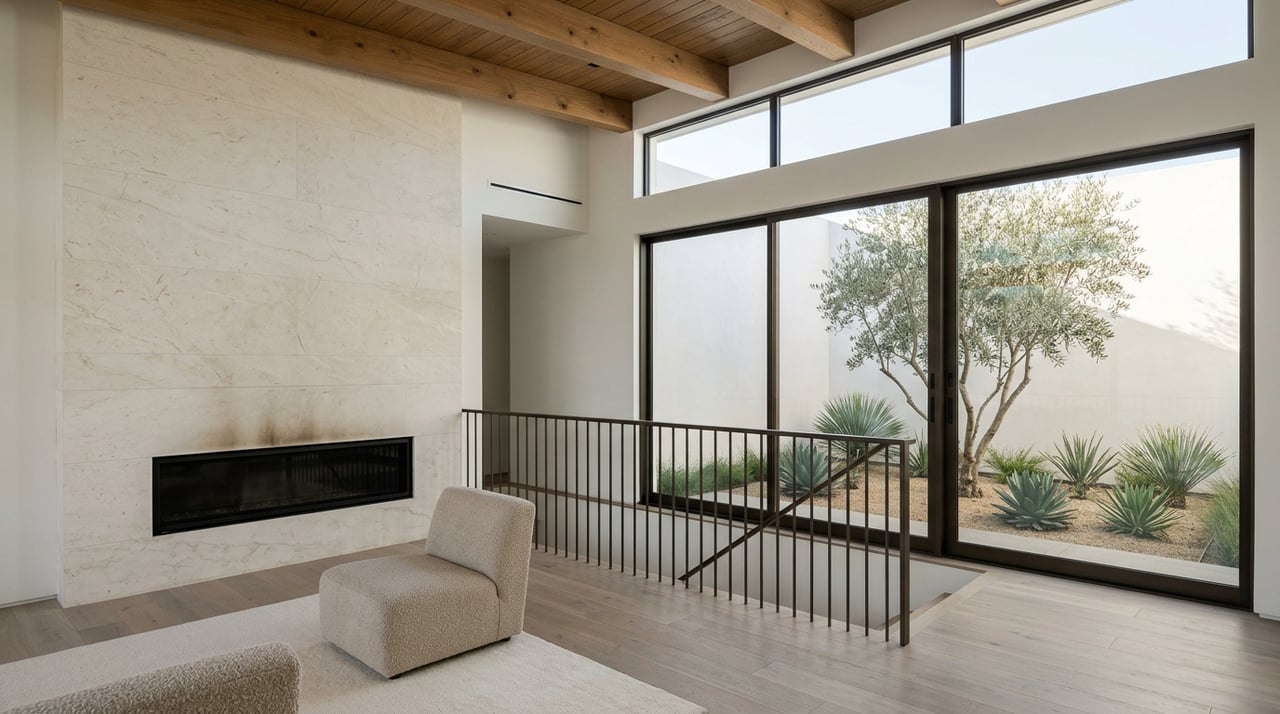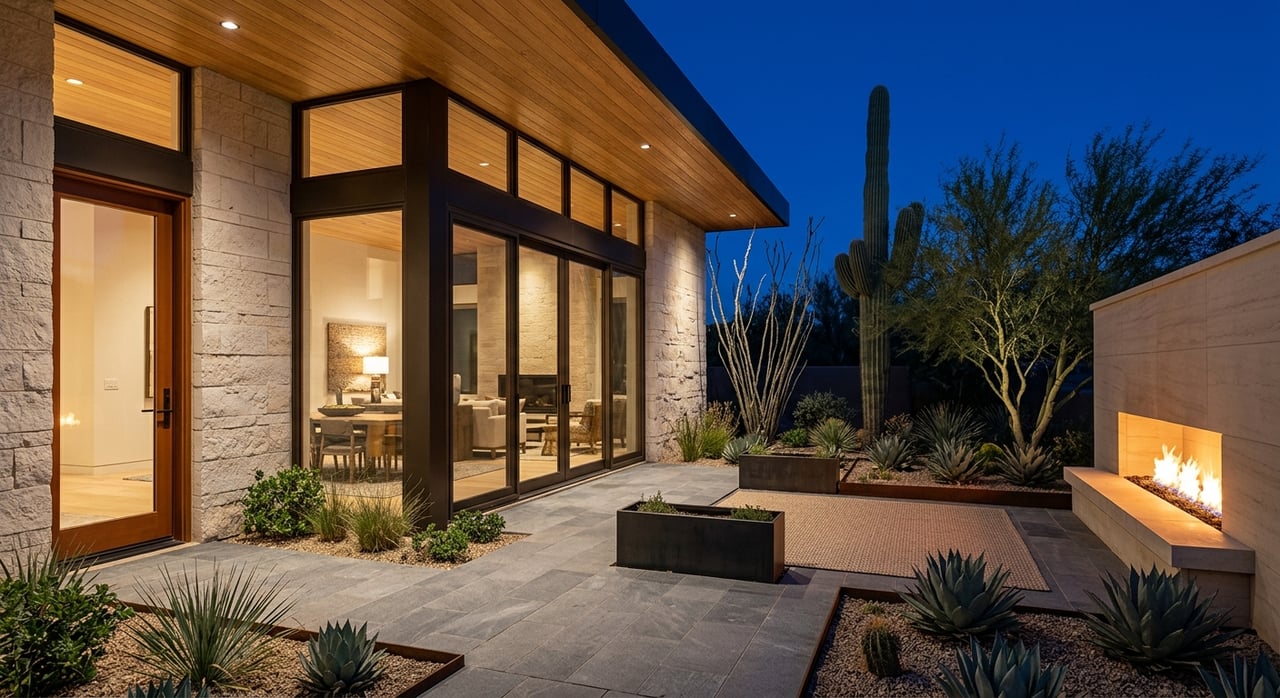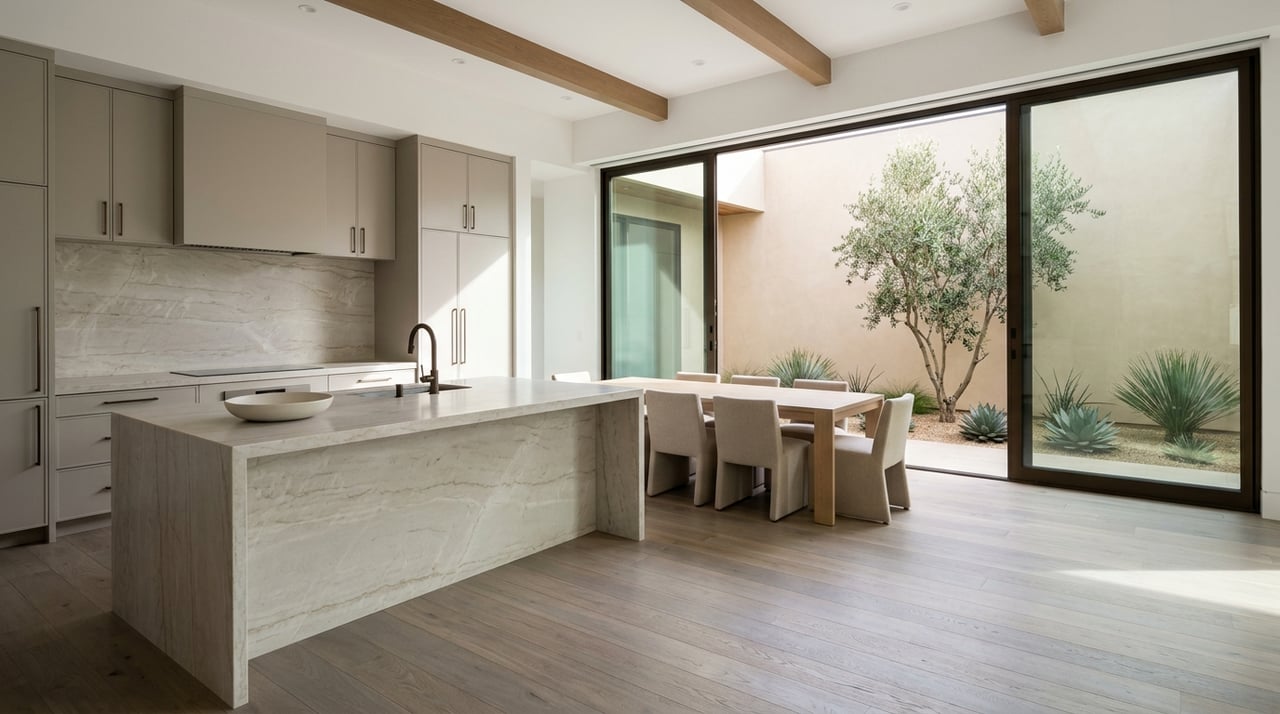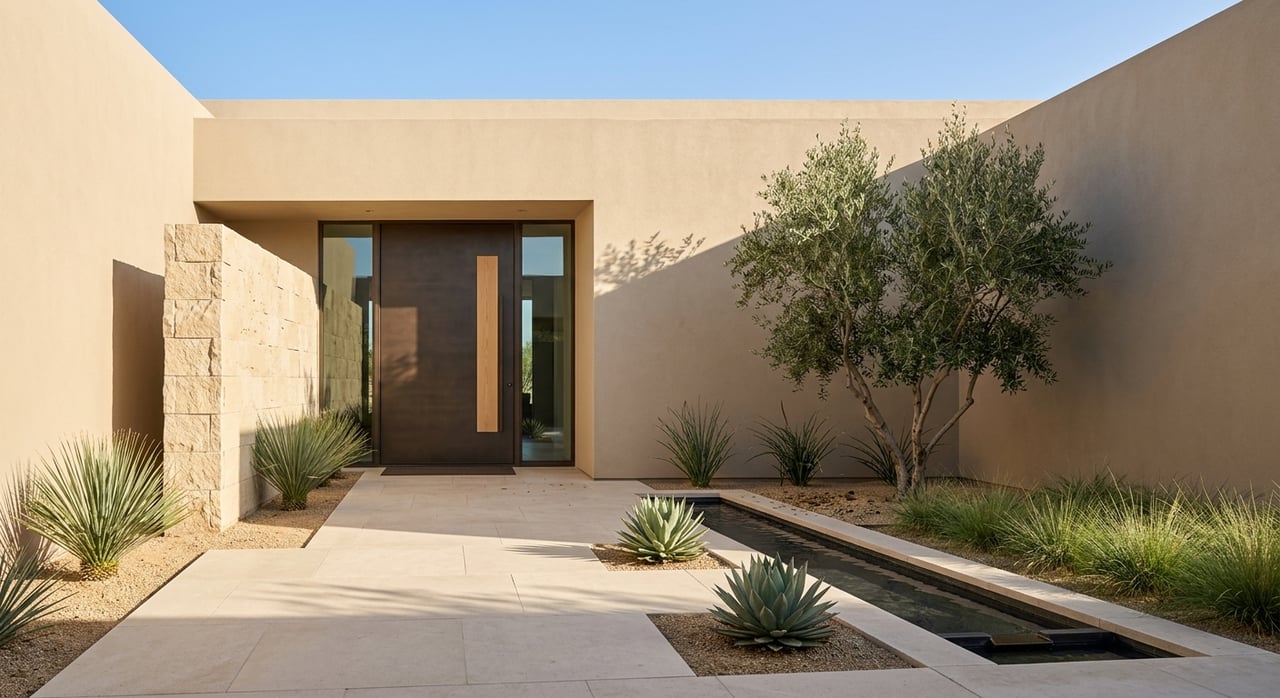

Are you picturing desert views, room to breathe, and a home tailored to your life? If so, luxury new construction in Queen Creek may belong on your shortlist. You want clarity on timelines, costs, builders, and the steps that make a custom-level outcome feel seamless. In this guide, you’ll learn how Queen Creek’s new-build market works, what choices you’ll face, and the due diligence that protects your investment. Let’s dive in.
Queen Creek luxury new builds at a glance
Queen Creek sits in the southeast Phoenix metro and has drawn steady residential growth as development expands outward. For luxury buyers, the appeal is clear: newer infrastructure, larger lots, and a balance of suburban and rural feel with access to Valley employment centers. Many buyers come for space and privacy without giving up proximity to daily needs.
Demand shifts with mortgage rates, inventory of resale homes, and regional employment trends. When rates are higher, builders often respond with incentives like rate buydowns, closing-cost credits, or upgrade packages. Because local market conditions change quickly, it’s smart to verify current inventory and timing with a local expert before you write an offer.
Choose the right luxury product type
Semi-custom spec homes
These are higher-end plans in subdivisions where you personalize finishes and, in some cases, structural options. You get set timelines, design-center support, and structured warranties. This path fits buyers who want luxury features with fewer decisions and faster delivery.
Custom estate homes
Custom estates usually sit on larger lots, often half an acre to several acres, or in small gated enclaves. You can tailor many design elements and coordinate directly with a custom builder. Expect more flexibility along with longer timelines and greater responsibility for site-specific planning and budgets.
Gated and amenity-focused neighborhoods
Master-planned or resort-style communities may offer clubhouses, fitness centers, trails, and enhanced security features. These neighborhoods often include CC&Rs and an HOA that set community standards. If you value amenities and a cohesive neighborhood look, this is worth a close look.
Acreage and rural-style properties
If privacy and space are top priorities, you can find properties on one or more acres. These sites can accommodate detached garages, RV storage, equestrian facilities, or multi-building compounds. You’ll want to pay close attention to utilities, grading, and access when evaluating larger parcels.
Lots, footprints, and views
Luxury subdivision lots often range from about 0.20 to 0.5 acre with planned streets and underground utilities. Estate lots commonly span 0.5 to 3.0 acres or more. Home sizes typically start around 2,800 to 3,000 square feet and can exceed 5,000 square feet for custom estates.
Orientation matters in the desert. Some lots are positioned to capture mountain and open-space views, which can command higher prices. You should also verify grading and retention plans to ensure proper stormwater management and a well-finished homesite.
How to vet a luxury builder
Choosing the right builder is one of your most important decisions. Use a disciplined process to evaluate quality, service, and staying power.
- Tour completed and occupied homes. Look at fit, finish, and how materials hold up over time.
- Ask for recent buyer references. Ask about responsiveness, change-order handling, and warranty follow-through.
- Review warranty coverage. Confirm coverage periods for workmanship, systems, and structural components in writing.
- Check financial stability and track record. This matters for longer builds and custom projects.
- Verify licensing. Confirm the builder’s status with the Arizona Registrar of Contractors and understand who the key subcontractors are.
Timeline from contract to keys
Timelines vary by product type and site conditions. Plan conservatively and build in flexibility for weather, permitting, and materials.
- Spec or inventory homes: Ready now to roughly 3 months for final touches and permits.
- Semi-custom pre-sales: Often 6 to 12 months from contract to close.
- Custom builds on raw lots: Commonly 10 to 24 months depending on complexity and sitework.
Key milestones include structural option cutoffs, design center appointments, framing and mechanical inspections, and final walkthrough and punch list. Changes late in the process can extend schedules, so set your priorities early.
Deposits and financing, simplified
Typical deposits and payments
- Earnest money: Often a modest amount held in escrow and credited at closing.
- Option and design deposits: Many builders require separate deposits for structural options and finish upgrades.
- Construction draws: Custom builds often use staged draws tied to work milestones, with lender inspections for each draw.
Financing paths to consider
- Conventional mortgage: Works well for move-in-ready and near-complete inventory homes.
- Construction-to-permanent loans: Single-close options that convert to a permanent mortgage at completion.
- Builder preferred lenders: May offer credits or rate buydowns. Compare terms and understand how inspections and draws are handled.
Incentives strategy in a changing rate market
When rates rise, incentives can bridge affordability. You can negotiate builder credits toward interest-rate buydowns or closing costs. Compare the long-term impact of a buydown versus a price reduction to decide what serves your goals best.
Your design center game plan
The design process is where your home becomes yours. A clear plan helps you stay on budget and timeline.
- Select your plan and structural options early. Structural items like wall changes, garage placement, and room extensions often lock first.
- Schedule design center appointments. Expect to finalize cabinetry, counters, tile, flooring, fixtures, lighting, paint, and built-ins.
- Use allowances wisely. Many builders include allowances for categories. Consider mid-level allowances and upgrade selectively where it matters most to you.
- Track deadlines and cutoff dates. After cutoff, changes become change orders with cost and schedule impacts.
- Plan for appliances and landscaping. These often finalize later, sometimes with separate allowances or packages.
- Prepare for the final walkthrough. Create a punch list with your builder and document warranty items before you close.
Site and community due diligence
HOA, CC&Rs, and architectural reviews
Most higher-end neighborhoods include HOAs with design standards, landscaping rules, and fees. Read CC&Rs carefully for build restrictions, outbuilding rules, and exterior materials and colors. Some communities use architectural review committees that can add time for custom elements.
Utilities, grading, and energy measures
Confirm whether the property connects to sewer or septic and identify the water provider. Verify electrical service size, gas availability, and any hook-up fees or assessments. Ask about energy-efficient features and solar provisions, and clarify if any solar system will be owned, leased, or financed.
Pools and outdoor living
Pools are common in luxury homes and add to the budget. Plan for equipment specifications, fencing, irrigation, and ongoing maintenance and water costs. If outdoor structures or kitchens are on your wish list, confirm HOA approvals and site setbacks.
Inspections and warranties for new builds
Independent inspections are valuable even on brand-new homes. Consider stage inspections at pre-pour foundation, pre-drywall, and final walkthrough. Review the builder’s written warranty process and timelines, which often include tiered coverage for workmanship, systems, and structural components.
Taxes, insurance, and carrying costs
New construction tax assessments can increase after reassessment, so budget for changing property taxes. Newer homes may qualify for favorable insurance rates due to updated systems and materials, but verify coverage for local risks. Review HOA dues and any special assessments, and confirm what is included.
Queen Creek cost drivers checklist
Use this quick list to anticipate expenses and avoid surprises.
- Lot premiums based on size, orientation, and views
- Sitework and grading to support stormwater retention
- Structural options and finish upgrades beyond allowances
- Landscaping, irrigation, and outdoor living features
- Pool design, equipment, fencing, and maintenance
- Utility connection or impact fees
- Extended warranty coverage or service plans
- Construction loan interest and closing costs over the build period
A smart path to your Queen Creek new build
Buying luxury new construction should feel exciting, not overwhelming. When you know your product options, set realistic timelines, and complete the right due diligence, you protect your budget and unlock the lifestyle you want. If you would like a curated shortlist of communities and builders, or help negotiating incentives and structuring your financing approach, our team is ready to advise you at each step.
For tailored guidance, builder introductions, and private opportunities across the Phoenix metro, connect with David Newman. Request a Private Consultation.
FAQs
What are realistic new-build timelines in Queen Creek?
- Spec homes can be ready now to roughly 3 months, semi-custom builds often run 6 to 12 months, and custom estates typically take 10 to 24 months depending on sitework and complexity.
How much should I budget for luxury upgrades?
- Upgrades can range from a few thousand dollars for select finishes to tens of thousands for premium packages, technology, and outdoor living; use the builder’s allowance schedule to estimate.
When do design center appointments happen and what comes first?
- Expect design appointments within 30 to 60 days of contract, but structural choices usually lock earlier; confirm exact timelines and deadlines with your builder.
Can I bring my own subcontractors to a new-build project?
- Production builders typically do not allow buyer-selected subcontractors; custom builders may consider it with vetting and coordination.
Should I order inspections on a brand-new home?
- Yes. Independent inspections at stages like pre-pour, pre-drywall, and final help surface issues early and support warranty resolutions.
What ongoing costs should I plan for after closing on new construction?
- Budget for property taxes that may adjust after reassessment, homeowners insurance, HOA dues or assessments, landscaping and pool maintenance, and utility costs.