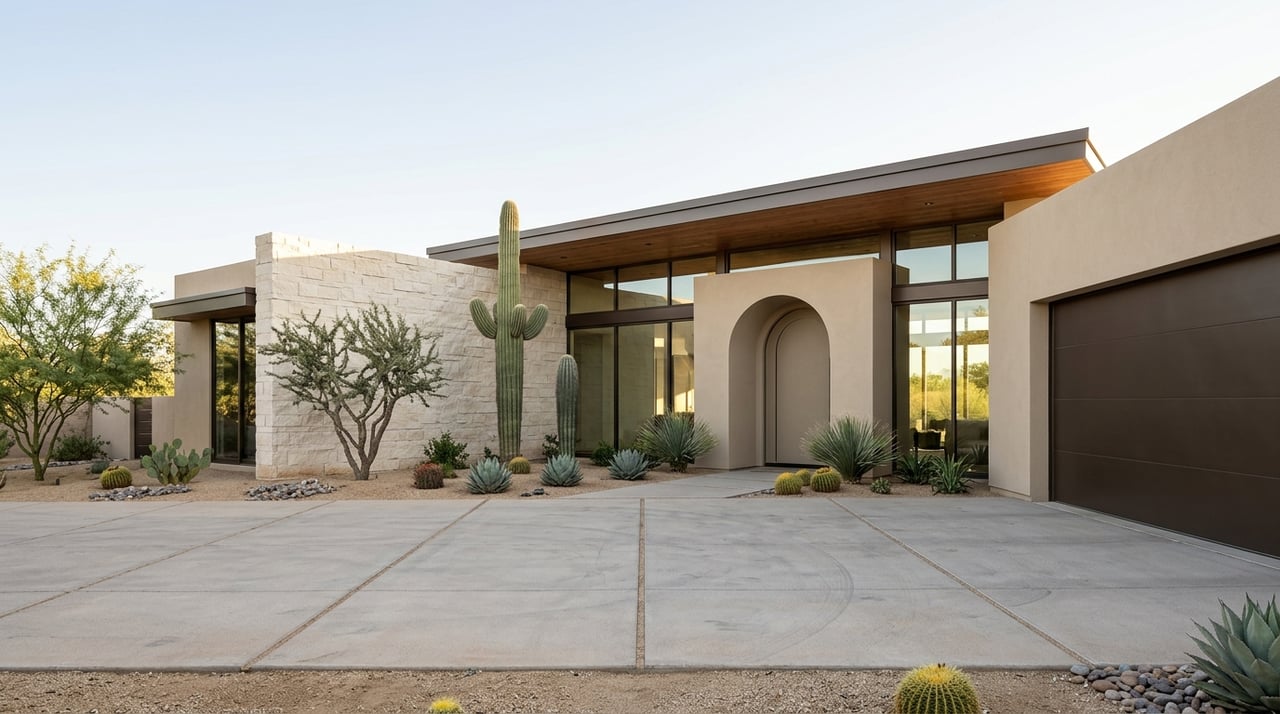

Owning a desert estate in Fountain Hills is a privilege, but the Sonoran Desert’s heat, dust, and monsoon storms can be tough on even the best-built homes. If you split time between homes or recently relocated, you know the stakes are high. You want comfort year-round, and you want to protect long-term value. This seasonal guide shows you exactly what to do and when to do it so your home runs smoothly, your landscape thrives, and surprise repairs stay to a minimum. Let’s dive in.
Why Fountain Hills needs a seasonal plan
Fountain Hills sits in a true desert climate with very hot summers and mild winters. The North American Monsoon typically arrives in June and can run through September with fast-moving thunderstorms, strong winds, dust events, and lightning. Rain is limited, and most of it arrives during winter fronts and summer storms, so stormwater management and drainage matter. High solar exposure and dust raise wear on roofs, stucco, and HVAC systems while increasing irrigation demand. A simple seasonal rhythm keeps you ahead of these conditions.
Spring: pre-summer readiness
Spring is your highest-impact window. Tackle these items before sustained heat.
HVAC readiness
- Schedule a comprehensive AC tune-up before May. Ask for coil cleaning, refrigerant checks, condensate drain cleaning, and airflow verification.
- Confirm thermostat programming for warmer months. If you are a part-time resident, use schedules that match your occupancy.
- Set a filter plan. In dusty conditions, many estates benefit from changing filters monthly to every three months. Ask about MERV 8–11 options that balance air quality and system performance.
Irrigation audit and backflow
- Run a full irrigation audit. Check for clogged drip emitters, misaligned spray heads, leaks, and pressure issues.
- Update smart controller schedules based on plant type and soil moisture sensors. Add rain skip features if available.
- Verify the backflow prevention assembly. Backflow devices are commonly required and may need annual testing. Confirm local requirements and keep records on file.
Landscape health and safety
- Prune spring-flowering shrubs after bloom and remove winter covers once frost risk passes.
- Mulch planting beds to reduce evaporation. Choose materials that suit your landscape plan and pest strategy.
- Have an ISA-certified arborist assess large trees. Remove dead or dangerous limbs before monsoon winds arrive.
Exterior envelope and drainage
- Inspect tile roofs for cracked or displaced tiles. Check and seal roof flashings as needed.
- Walk the stucco and seal hairline cracks to help prevent moisture intrusion.
- Clean gutters, roof scuppers, and site drains so they are ready for heavy summer rains.
Pest and pool checks
- Schedule a termite inspection and set a plan for scorpion and rodent control before warm weather boosts activity.
- Start pool season with a system check. Verify chemical balance, pump operation, and safe electrical conditions in equipment rooms.
Monsoon and summer: storm and heat strategy
Summer brings sustained heat and fast-changing weather. Plan for dust, wind, and sudden rainfall.
HVAC and indoor air quality
- Inspect or change filters more often during dust events. Check monthly and follow the manufacturer’s guidance.
- Watch condensate drains. Clear clogs to prevent overflow during heavy AC use.
- Monitor comfort and humidity indoors. If you notice rising humidity, have a technician verify performance.
Storm preparedness
- Secure or store lightweight outdoor furniture and décor. Reinforce umbrellas and shade structures.
- Keep gutters, drains, and scuppers clear. Confirm that grading moves water away from the foundation.
- If you have pumps in low areas, test them and verify power reliability.
After-storm checks
- When conditions are safe, inspect roofs, stucco, and window or door seals for leaks. Dry any wet insulation or interior materials quickly.
- Clear debris from drains and low spots to reduce pooling and erosion.
- Inspect slopes and retaining areas for washouts and repair promptly.
Irrigation adjustments
- Pause or reduce irrigation when storms deliver measurable rain. Smart controllers can do this automatically.
- Check drip lines for sediment clogs and flush if needed.
- Monitor soil moisture so you do not overwater during the monsoon period.
Outdoor systems care
- Test pool water more frequently after storms. Debris and blown-in dust can change chemistry quickly.
- Clean and check outdoor kitchens and grills after heavy winds to remove dust and ensure safe operation.
Fall: transition to cooler season
Use fall to reset schedules and prepare for cooler nights.
Irrigation and planting
- Reduce irrigation frequency and run times as temperatures drop.
- If you plan new trees or shrubs, install them earlier in fall so roots establish before next summer’s heat.
- Remove tired annuals and prepare containers for occasional winter covers.
HVAC and exterior touchups
- Schedule a fall check for heating systems or heat pumps, even if you use heat sparingly.
- Inspect weather seals and ducts for gaps or wear.
- Tackle minor exterior paint or stucco touchups. UV exposure is intense here, so small repairs pay off.
Winter: freeze protection and low maintenance
Winters are mild, but short cold snaps can still cause damage.
Plants and irrigation
- Be ready to cover citrus and frost-sensitive plants on nights with freeze forecasts.
- Move potted plants to protected areas when temperatures drop.
- Switch controllers to winter mode. Favor infrequent, deeper watering for trees and avoid keeping surface soils wet.
Mechanical and pest checks
- Test heating operation and set a reminder to check filters, even if run time is light.
- Inspect for rodent or scorpion harborage. Remove debris piles and seal entry points around foundations.
Systems and materials: what to watch
Roofing and stucco
- Tile roofs perform well in sun and heat, but cracked tiles and loose flashings can allow water intrusion. A pre- and post-monsoon inspection is a smart baseline.
- Stucco hairline cracks should be sealed promptly. Plan on exterior paint maintenance more often than in temperate climates due to UV exposure.
Pools, spas, and water features
- Keep chemistry within range year-round. After storms, clear debris and rebalance water sooner rather than later.
- Confirm that equipment pads drain well and that electrical components are protected from water.
- Check that water features drain away from foundations to avoid erosion and settling.
Fire-wise and wildlife awareness
- Maintain defensible space by reducing dry brush and keeping combustible materials away from structures.
- Trim vegetation near the home and remove rock or wood piles that can shelter pests.
- Be aware of desert wildlife. Keep trash secure and do not leave pet food outside.
Water, HOA, and compliance basics
Rules can vary by town, utility provider, and HOA. A quick review each season helps you stay compliant.
- Water use: Many communities set watering schedules and limit runoff. Verify current rules with the Town of Fountain Hills or your water provider.
- Backflow prevention: Irrigation systems commonly require a backflow assembly and may require annual testing. Keep documentation from your tester.
- HOAs: Review CC&Rs before changing front-yard landscapes, paint colors, or hardscapes. Some associations limit turf coverage and specify approved plant lists.
- Protected plants and wildlife: Certain cacti and nesting birds have protections. Confirm any permitting needs before removing or relocating plants.
- Pools and equipment: Pumps, backflow devices, chemical storage, and electrical work may require permits. Verify requirements before upgrades.
Owner playbook: vendors and deliverables
For luxury estates, quality vendors and clear scopes protect your time and your home.
Who to hire
- HVAC contractor: Look for NATE-certified technicians who can document airflow readings, coil condition, and refrigerant status.
- Landscape and irrigation specialist: Ask for a Certified Landscape Irrigation Auditor or similar credential. Confirm experience with smart controllers and desert plantings.
- Roofer and stucco contractor: Choose Arizona-licensed pros with tile roof and flashing expertise.
- Pest control: Use licensed operators who practice integrated pest management.
- Pool technician: Engage a licensed pro experienced with post-storm recovery and algae remediation.
- Arborist: Hire an ISA-certified arborist for tree health and risk assessment.
What to request at each visit
- A written scope, photos of issues, and a prioritized repair plan.
- Clear replace-versus-repair recommendations with estimated lifespans.
- HVAC: filter recommendations, airflow notes, and refrigerant readings.
- Irrigation: a zone map, seasonal run times, expected flow rates, and backflow test results.
Suggested maintenance intervals
- HVAC: professional check annually at minimum. For heavy use, schedule spring and fall. Check filters every 1–3 months.
- Irrigation: audit annually with seasonal adjustments.
- Roof and exterior: inspect at least annually and after monsoon storms.
- Pest: annual termite inspection, with seasonal checks for scorpions and rodents.
- Trees: professional assessment every 2–3 years and after severe storms.
Quick reference checklist
Spring
- AC tune-up and filter plan
- Irrigation audit and backflow verification
- Roof, stucco, gutter, and drain inspection
- Tree pruning and mulch refresh
- Termite and pest inspection
- Pool system check
Monsoon and Summer
- Secure outdoor furniture and shade structures
- Clean gutters and drains frequently
- Change HVAC filters more often and clear condensate lines
- Pause irrigation after storms and flush drip lines as needed
- Inspect for water intrusion and remove debris promptly
- Balance pool chemistry after each storm
Fall
- Reduce irrigation run times
- Plant trees and shrubs for root establishment
- Schedule heating system check and seal gaps
- Touch up exterior finishes
Winter
- Protect frost-sensitive plants and move pots as needed
- Use winter watering schedules with deep, infrequent cycles
- Test heating and inspect for rodent or scorpion harborage
Well-timed care keeps your Fountain Hills estate comfortable today and market-ready tomorrow. If a move is on your horizon, a documented maintenance history can support buyer confidence and streamline inspection negotiations. For tailored guidance as you plan your next purchase or sale in the Phoenix Valley, connect with David Newman.
FAQs
What is the monsoon season in Fountain Hills and why does it matter?
- The North American Monsoon typically runs June through September, bringing thunderstorms, wind, dust, and lightning. Preparing drains, roofs, and outdoor areas before June helps prevent water intrusion and storm damage.
How often should I service my HVAC in a desert estate?
- Schedule a professional inspection at least once a year, ideally in spring. For heavy-use homes, plan for spring and fall checks, and inspect or replace filters monthly to every three months during dusty, high-demand periods.
Do I need a backflow prevention device on my irrigation system?
- Many jurisdictions and HOAs require backflow assemblies, and annual testing is often mandated. Confirm the specific rules for your property and keep test documentation.
How should I adjust irrigation during monsoon storms?
- Pause or reduce scheduled watering when storms deliver rain. Use smart controller rain skip features and check soil moisture to avoid overwatering.
What landscaping works best around Fountain Hills estates?
- Native and low-water adapted plants such as palo verde, mesquite, desert willow, agaves, ocotillo, and suitable cacti perform well. Match plant choices to microclimates on your site and follow HOA guidelines.
What should I check after a dust or wind storm?
- Inspect roofs, stucco, and window or door seals for leaks, clear debris from drains, check HVAC filters and intakes, and rebalance pool chemistry. Address any erosion on slopes quickly.
How can I deter scorpions and rodents around my home?
- Reduce harborage by trimming vegetation near foundations, removing rock or wood piles, sealing gaps at the base of the home, and maintaining clean outdoor areas. Use licensed pest professionals for treatment plans.